Liver Cirrhosis
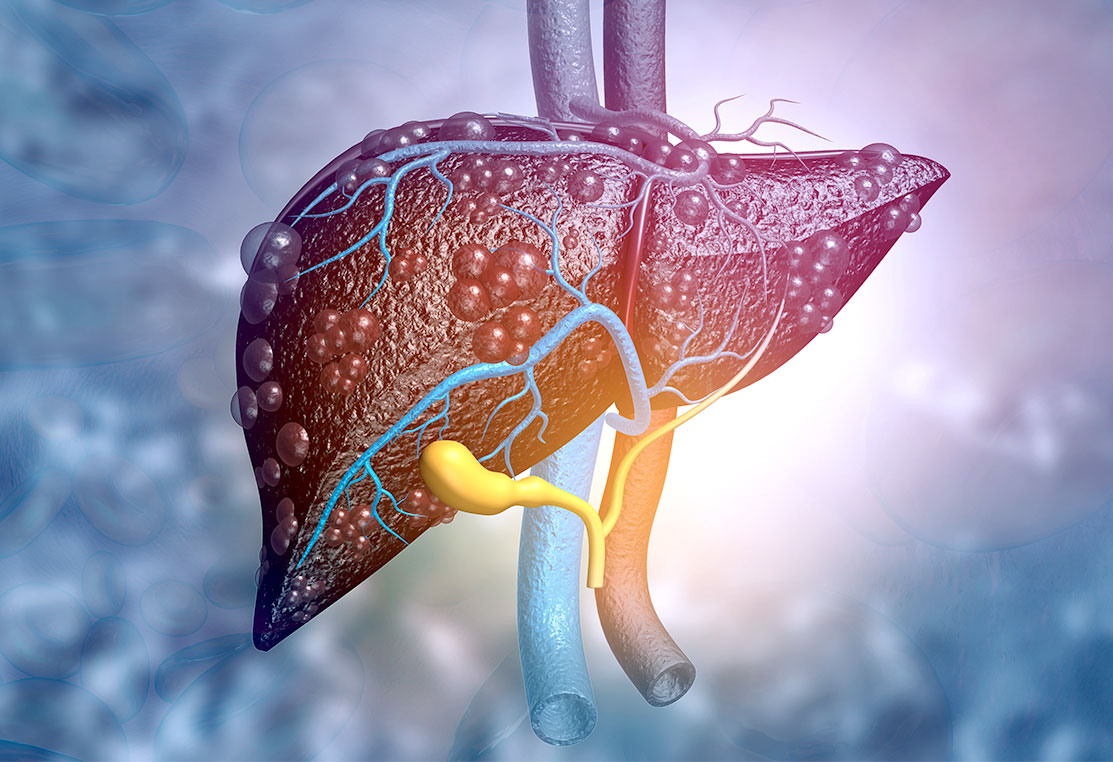
Liver cirrhosis occurs when healthy liver cells are replaced with scar tissue, preventing the liver from functioning properly. These scar tissues are formed as a result of long-term damage to the liver – excessive alcohol abuse, hepatitis B and C infection, or fatty liver from diabetes and obesity.
During the early stages of liver cirrhosis, there might be no symptoms. Over time, patients might experience some of the following symptoms: Fatigue, loss of appetite, weight loss, jaundice, and nausea.7
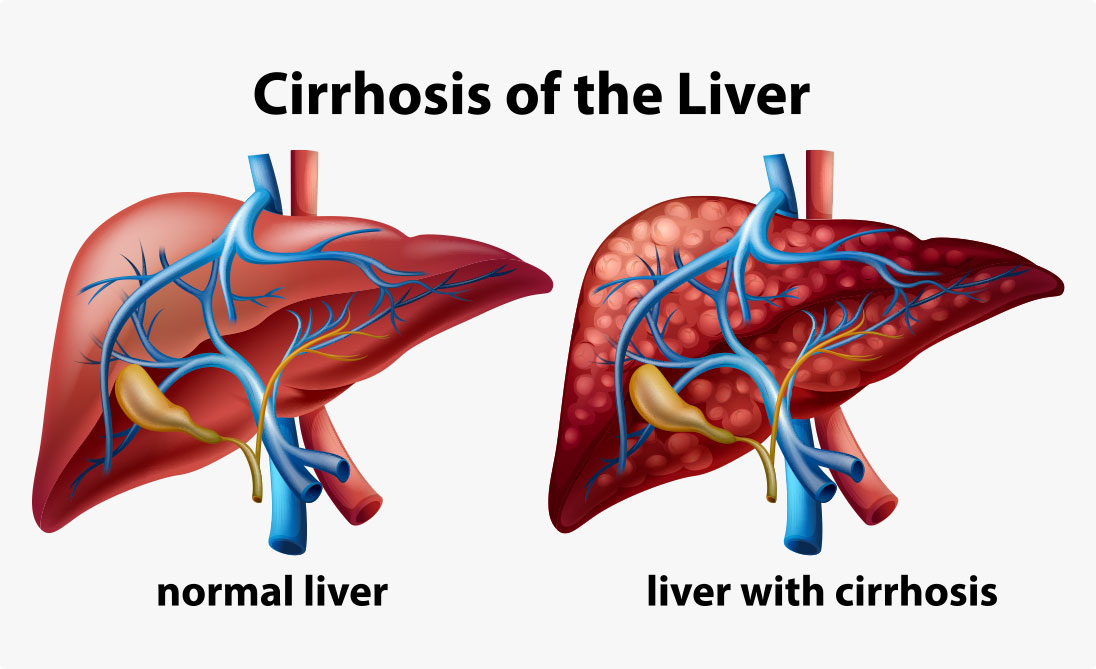
If left untreated, complications may develop, such as:
- Increased blood pressure in the portal vein (portal hypertension)
- Abdominal fluid accumulation (ascites)
- Fluid build-up in the legs and feet (edema)
- Enlarged blood vessels (varices)
- Brain dysfunction (hepatic encephalopathy)
- Increased risk of liver cancer
If a patient has cirrhosis, it means that their liver has reached the stage where it can no longer regenerate.
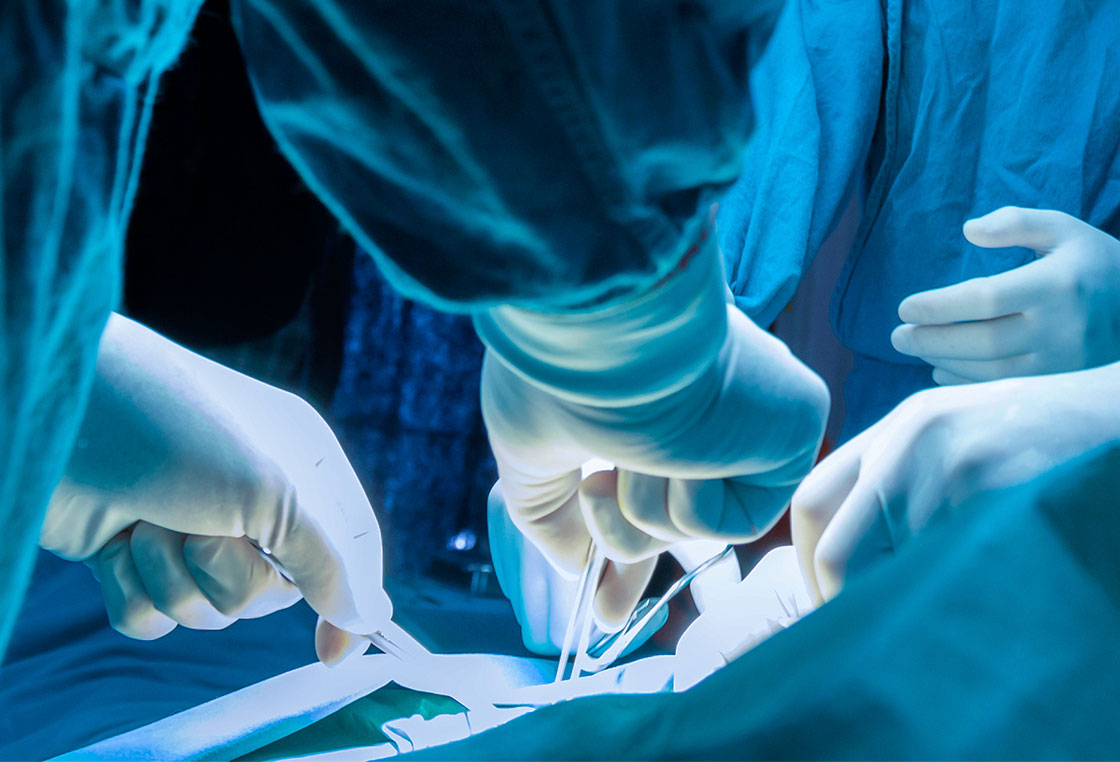
Liver transplant is the only curative option for liver cirrhosis, but not all patients may be eligible for one. Healthy livers are obtained from deceased or living donors. In Singapore, deceased liver donors are people who have not opted out of the Human Organ Transplant Act (HOTA) or have opted in for the Medical Therapy, Education and Research Act (MTERA).
There are also treatments to manage liver cirrhosis symptoms and slow its scarring progress. Patients might also be advised to stop drinking alcohol, and change their lifestyle habits if they are generally unhealthy or overweight.
Fill out the form below and we will call you to schedule an appointment at your earliest convenience.

Sat: 9am to 12pm
Closed on Sunday and
Public Holidays
Gleneagles Medical Centre,
6 Napier Road, #10-01,
Singapore 258499
Tel : +65 6475 1488
Fax : +65 6475 1489
Email : info@liversurgery.com
Mount Elizabeth Medical Centre
3 Mount Elizabeth, #12-14,
Singapore 228510
Tel: +65 6737 8878
Fax: +65 6737 5088
Email: info@liversurgery.com
Mount Alvernia Hospital
820 Thomson Road,
Medical Centre E,
Icon Cancer Centre,
Singapore 574623
Tel: +65 6721 3470
Email: info@liversurgery.com
HMI Medical Centre
12 Farrer Park Station Rd,
Singapore 217565
Tel: +65 6322 6333
Email: info@liversurgery.com